Submissions from Readers
Jerking Movement After Stroke
by Bushra Ghafar
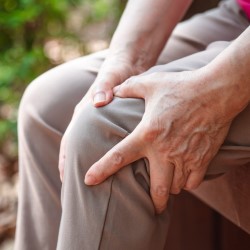

Question: Why is there a sudden jerk on the paralyzed/flaccid side of a stroke patient? Is it normal or not?
Answer: Here are a few of the reasons stroke patients may experience sudden jerking movements:
- Clonus Some stroke patients will experience clonus which causes large, noticeable movements that are different from typical twitches. It is often accompanied by hyperreflexia, a condition where the body's reflexes are overactive or overresponsive.
- Myoclonus Stroke patients can also experience myoclonus, a sudden, brief involuntary twitching or jerking of a muscle or group of muscles. The twitching cannot be stopped or controlled by the person experiencing it.
- Focal onset seizures These seizures occur in one part of the brain and can cause:
Muscle twitching
Falling
Changes in sensation, such as distorted smell or taste
Dazed or confused appearance - Generalized onset seizures
These seizures affect both sides of the brain and can cause the following symptoms:
Muscle spasms or flailing
Loss of consciousness
Verbal sounds
Rhythmic muscle movements
Stiffening
Loss of bladder control
Rapid eye movements or blank staring
*Important note: Seizures can manifest in different ways, some being evident with large jerky movements or loss of consciousness but others being quite deceiving with someone simply staring into space or experiencing small twitches. This is why it is important to discuss any abnormal movements and episodes with your MD.
Seizures, on the other hand, are very serious and can lead to death. Anti-seizure medication is typically used to control seizures.
By consulting with a MD, one can determine the cause of their muscle jerking/twitching and devise a treatment plan accordingly.
Treatment Tips from Others
To see tips from other survivors and caregivers about their treatment recommendations, click here.
Get Our Stroke Rehab Guide
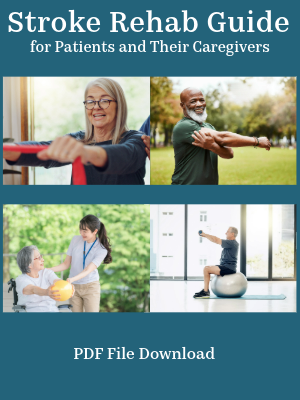
Our comprehensive stroke rehab guide in pdf format is designed for both patients and caregivers who want clear, practical ways to support recovery, improve daily function, and regain independence at home. It includes
- Rehab exercises with pictures for safe home practice
- Physical, occupational, and speech therapy guidance
- Tips for daily activities and adaptive equipment
- Answers to common questions from patient and caregivers
- Information on stroke causes, treatment, and prevention
A single therapy visit can run $150 or more. The Stroke Rehab Guide is only $14.99, and includes a pdf guide you can continue to refer to in the future with exercises and information on stroke recovery. In addition, any time an update or new version of the guide is written, you will get the updated version for free.
About the Author
Karen Murray, OTR, CHT, CSRS, is a licensed occupational therapist, Certified Stroke Rehabilitation Specialist, Certified Hand Therapist, and Certified Personal Trainer with over 29 years of experience working with stroke survivors in hospital, outpatient, and home settings. She founded Stroke-Rehab.com to help patients and caregivers better understand stroke recovery, find evidence-based resources, and regain independence at home.
Medical Disclaimer: All information on this website is for informational purposes only. This website does not provide medical advice or treatment. Always seek the advice of your physician or other healthcare provider before undertaking a new healthcare or exercise regimen. Never disregard professional medical advice or delay seeking medical treatment because of something you have read on this website. See the disclaimer page for full information.
Recent Articles


-
Are Strokes Hereditary? 8 Genetic Risk Factors to Know (2026 Guide)
 Is stroke risk in your DNA? Are strokes hereditary? Learn 8 genetic factors to watch for and how to protect yourself.
 -
Home Exercise Equipment For Stroke Patients. Rehab at Home.
 Continue your stroke rehab at home with your own home exercise equipment. Examples of inexpensive exercise equipment for home use.
 -
Balance Exercises for Stroke Patients: Prevent Falls!
 Pictures of balance exercises in sitting and standing to help stroke patients.
 -
Flaccid Paralysis Treatment After Stroke: Questions & Answers
 Answers to questions about flaccid paralysis treatment after stroke including home exercises and treatment ideas.
 -
Leg and Foot Problems After Stroke
 Answers to stroke patients' questions regarding foot and leg problems after stroke
 -
What is a Good Gift for a Stroke Patient: Gift Giving Guide
Gifts for Every Stage of Stroke Recovery: From practical aids to inspiring keepsakes, find the perfect present for your loved one. -
Stroke Recovery Tips Back Issues from Stroke Rehab Website
 View past issues of Stroke Recovery Tips Newsletter to learn unique information about stroke rehabilitation.
 -
Gift Ideas for Stroke Patients for Recovery, Comfort & More
Top gift ideas for stroke patients and stroke recovery and rehabilitation. -
Jerking Movement After Stroke
Question: Why is there a sudden jerk on the paralyzed/flaccid side of a stroke patient? Is it normal or not? Answer: Here are a few of the reasons stroke -
Hand Exercises for Stroke by Certified Hand Therapist
 Hand exercises for the stroke patient that will improve fine motor skills.