FAQs About Stroke Rehabilitation
Welcome to our FAQs About Stroke Rehabilitation page—your go-to resource for clear, practical answers about stroke rehab and the recovery journey ahead. Whether you’re a stroke survivor or a caregiver supporting a loved one, these FAQs are designed to help you understand what to expect from stroke rehabilitation, how therapy supports recovery, and ways to optimize function and regain independence over time. We break down common questions in plain language so you can feel informed, confident, and supported as you navigate care options and next steps.
Visit our Amazon Prime Storefront for Ideas for Stroke Rehab Equipment.
(As an Amazon Associate, Stroke Rehab earns from qualifying purchases)
FAQs About Stroke Rehabilitation:
Core Understanding & Expectations
1. What is stroke rehabilitation (stroke rehab)?
Stroke rehab is a structured, comprehensive program designed to help someone recover after a stroke. It focuses on helping survivors regain strength, movement, communication, thinking skills, and daily independence. Rehab starts where you are and works toward optimizing function and quality of life.
2. What happens during stroke rehab?
During stroke rehab, a personalized care plan is created based on the areas affected by the stroke. This often includes guided exercises, functional training (like walking or dressing), speech or swallowing therapy, and education for both patients and caregivers. The goal is steady recovery and maximizing independence in daily activities.
3. How long after a stroke does rehab start?
Stroke rehab usually starts as soon as the patient is medically stable, often within 24–48 hours after a stroke. Early rehabilitation is important because the brain is most adaptable during this time, which can improve recovery outcomes.
4. How long does stroke rehab last?
There is no one-size-fits-all timeline. Stroke rehabilitation may last weeks, months, or longer, depending on stroke severity, overall health, and recovery goals. Many people continue some form of therapy long-term to maintain gains and continue optimizing function.
Effectiveness & Prognosis
1. Can you fully recover from a stroke with rehab?
Some people make a near-full recovery, while others may have lasting challenges. Stroke rehab can improve outcomes, helping many survivors regain independence, mobility, and communication skills—even if full recovery isn’t possible.
2. What percentage of stroke patients recover?
Recovery varies widely. Many stroke survivors experience meaningful improvement with rehabilitation, especially with early and consistent therapy while others may show little improvement. Exact percentages differ by stroke type and severity.
3. What are the stages of stroke recovery?
Stroke recovery typically includes:
- Acute stage – immediate medical care and early rehab
- Subacute stage – intensive stroke rehabilitation (weeks to months)
- Chronic stage – long-term recovery, maintenance, and adaptation
Progress can continue for years with the right support and therapy.
Therapies & Settings
1. What types of stroke rehabilitation therapies are there?
Stroke rehab can include:
- Physical therapy
- Occupational therapy
- Speech therapy
- Cognitive therapy
- Alternative Treatments
A comprehensive approach usually combines multiple therapies.
2. What is the best therapy or setting for stroke patients?
There is no single “best” therapy or setting. The most effective stroke rehabilitation plan is personalized and multidisciplinary, combining therapies that target the individual’s specific impairments and recovery goals. The setting for therapy will depend on the stroke patient's needs. In the USA, stroke facilities are typically as follows:
- Inpatient Rehabilitation (IRF) - Inpatient stroke rehab takes place in a specialized rehabilitation hospital or inpatient rehab facility (IRF). Patients receive intensive therapy—often 3 hours per day, 5–6 days per week—and are medically supervised by physicians. This level of care is ideal for individuals who can tolerate intensive therapy and need comprehensive stroke rehabilitation early in recovery.
- Skilled Nursing Facility (SNF) - Stroke rehab in a skilled nursing facility (SNF) provides a lower-intensity level of inpatient care compared to an inpatient rehab facility. Patients receive nursing care and rehabilitation services, but therapy sessions are typically shorter and less frequent. SNFs are often appropriate for patients who are not yet strong enough for intensive inpatient rehab but still require medical oversight and structured therapy.
- Outpatient Stroke Rehabilitation - Outpatient stroke rehab allows patients to live at home while attending scheduled therapy sessions at a clinic or rehabilitation center. This setting is commonly used after discharge from inpatient rehab or a SNF and focuses on continued recovery, functional improvement, and long-term independence.
- Home-Based Stroke Rehabilitation - Home rehabilitation delivers therapy in the patient’s home. This option is ideal for patients with mobility limitations or those transitioning from inpatient or SNF care. Home-based stroke rehab supports recovery in a familiar environment while continuing to optimize function.
The right setting depends on medical needs, mobility, support at home, and insurance coverage. Once discharged from inpatient rehab, those who are less mobile or can't get to outpatient appointments may require home-based rehab over outpatient rehab.
3. What is the role of physical therapy (physiotherapy), occupational therapy, and speech therapy?
- Physical therapy focuses on improving strength, balance, gait, mobility, flexibility, and endurance
- Occupational therapy helps regain independence in daily activities (ADLs) like feeding, dressing, toileting, bathing, and home management with focus on motor control, coordination, cognition, vision, and adaptive techniques needed to perform tasks.
- Speech therapy led by speech-language pathologists helps recover speech, language, swallowing and cognitive-communication skills like memory and problem-solving
Together, they support recovery and help survivors regain independence.
Practical & Logistical
1. How can I find stroke rehab near me?
You can search online for stroke rehab near me, ask your hospital discharge planner, primary care provider, or neurologist, or check with your insurance provider for in-network stroke rehabilitation centers in your city.
2. How much does stroke rehabilitation cost?
In the USA, the cost of stroke rehab varies based on setting, length of care, and insurance coverage. Inpatient rehab is typically more expensive than outpatient or home-based therapy. Many insurance plans, including Medicare, cover medically necessary stroke rehabilitation.
3. How do I choose a stroke rehab center?
When choosing a stroke rehabilitation center, consider:
- Experience treating stroke patients
- Availability of a multidisciplinary rehab team
- Therapy intensity and personalized care plans
- Location and accessibility
- Insurance acceptance and coverage
A strong rehab program should feel comprehensive, supportive, and focused on long-term recovery and independence.
Get Our Stroke Rehab Guide
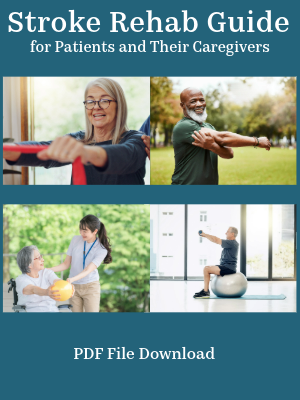
Our comprehensive stroke rehab guide in pdf format is designed for both patients and caregivers who want clear, practical ways to support recovery, improve daily function, and regain independence at home. It includes
- Rehab exercises with pictures for safe home practice
- Physical, occupational, and speech therapy guidance
- Tips for daily activities and adaptive equipment
- Answers to common questions from patient and caregivers
- Information on stroke causes, treatment, and prevention
A single therapy visit can run $150 or more. The Stroke Rehab Guide is only $14.99, and includes a pdf guide you can continue to refer to in the future with exercises and information on stroke recovery. In addition, any time an update or new version of the guide is written, you will get the updated version for free.
About the Author
Karen Murray, OTR, CHT, CSRS, is a licensed occupational therapist, Certified Stroke Rehabilitation Specialist, Certified Hand Therapist, and Certified Personal Trainer with over 29 years of experience working with stroke survivors in hospital, outpatient, and home settings. She founded Stroke-Rehab.com to help patients and caregivers better understand stroke recovery, find evidence-based resources, and regain independence at home.
Medical Disclaimer: All information on this website is for informational purposes only. This website does not provide medical advice or treatment. Always seek the advice of your physician or other healthcare provider before undertaking a new healthcare or exercise regimen. Never disregard professional medical advice or delay seeking medical treatment because of something you have read on this website. See the disclaimer page for full information.
Other FAQs About Stroke Rehabilitation?
The FAQs About Stroke Rehabilitation page has been provided to answer common questions. If you have other questions, please feel free to review our Ask the Therapist page where you can find answers to others' questions about stroke or ask your own new question. You can also visit www.stroke.org for more information about stroke.
Recent Articles


-
Are Strokes Hereditary? 8 Genetic Risk Factors to Know (2026 Guide)
 Is stroke risk in your DNA? Are strokes hereditary? Learn 8 genetic factors to watch for and how to protect yourself.
 -
Home Exercise Equipment For Stroke Patients. Rehab at Home.
 Continue your stroke rehab at home with your own home exercise equipment. Examples of inexpensive exercise equipment for home use.
 -
Balance Exercises for Stroke Patients: Prevent Falls!
 Pictures of balance exercises in sitting and standing to help stroke patients.
 -
Flaccid Paralysis Treatment After Stroke: Questions & Answers
 Answers to questions about flaccid paralysis treatment after stroke including home exercises and treatment ideas.
 -
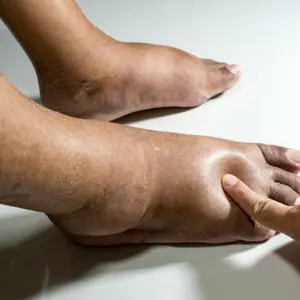
Leg and Foot Problems After Stroke
 Answers to stroke patients' questions regarding foot and leg problems after stroke
 -
What is a Good Gift for a Stroke Patient: Gift Giving Guide
Gifts for Every Stage of Stroke Recovery: From practical aids to inspiring keepsakes, find the perfect present for your loved one. -
Stroke Recovery Tips Back Issues from Stroke Rehab Website
 View past issues of Stroke Recovery Tips Newsletter to learn unique information about stroke rehabilitation.
 -
Gift Ideas for Stroke Patients for Recovery, Comfort & More
Top gift ideas for stroke patients and stroke recovery and rehabilitation. -
Jerking Movement After Stroke
Question: Why is there a sudden jerk on the paralyzed/flaccid side of a stroke patient? Is it normal or not? Answer: Here are a few of the reasons stroke -
Hand Exercises for Stroke by Certified Hand Therapist
 Hand exercises for the stroke patient that will improve fine motor skills.


Sign Up For Our Newsletter

Newsletter Sign Up
Receive Stroke Recovery Tips, our online quarterly newsletter. Sign up below for free tips on exercises, resources, latest technology, apps, research and more!
To view past issues of Stroke Recovery Tips, visit https://www.stroke-rehab.com/Stroke-Recovery-Tips-BackIssues.html